

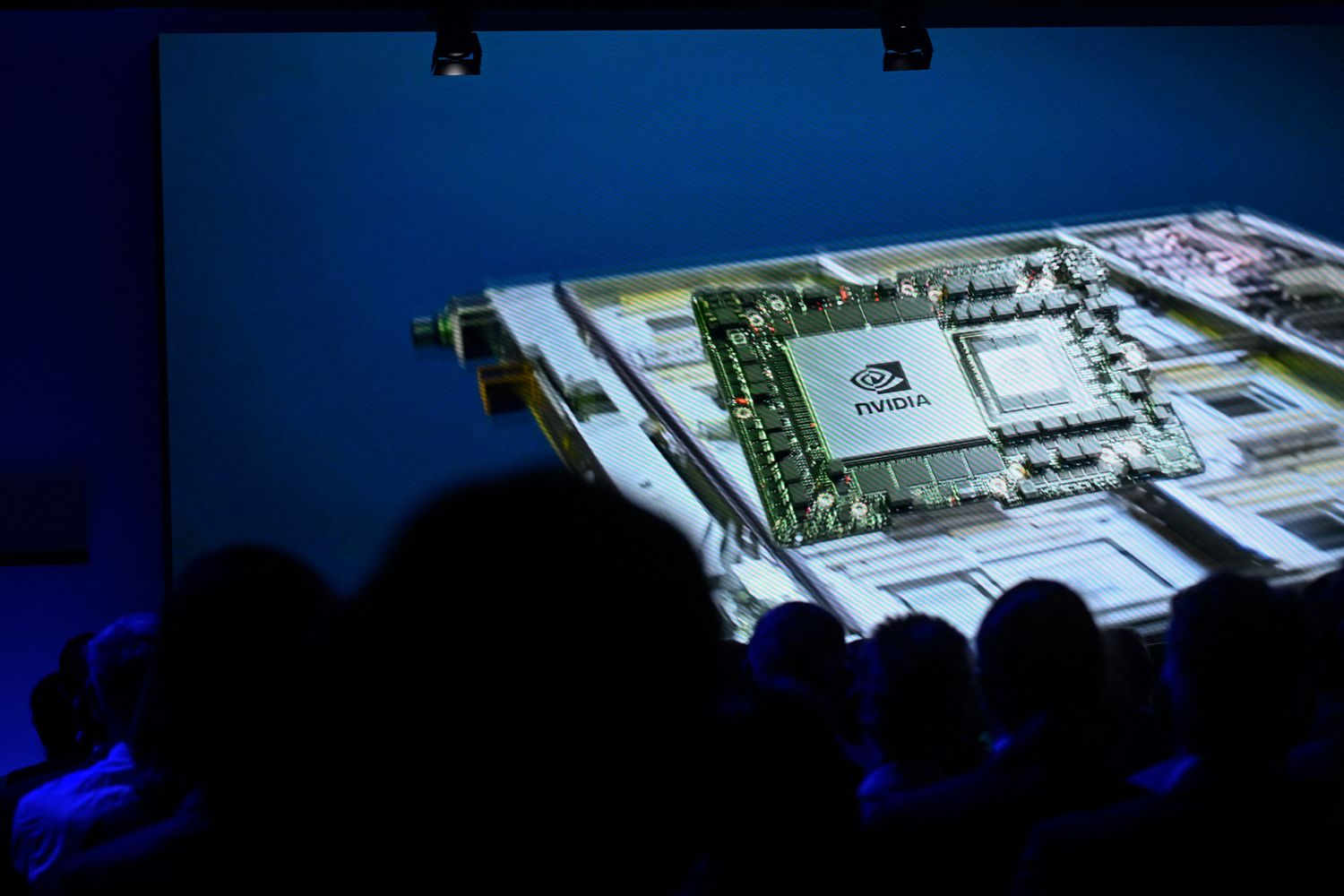

The technology sector is abuzz with unconfirmed reports suggesting Nvidia has paused a crucial production test, a development that could ripple significantly through the semiconductor industry and place additional pressure on Intel. While details remain scarce, the mere whisper of such a halt has sparked considerable speculation among analysts and investors, particularly concerning its potential impact on competitive dynamics in the high-performance computing and artificial intelligence markets. These segments are increasingly vital battlegrounds for chipmakers, and any disruption, real or perceived, in the supply chain or development cycle of a leading player like Nvidia inevitably draws intense scrutiny.
Sources close to the matter, who requested anonymity due to the sensitivity of the information, indicate that the pause might be related to unforeseen technical challenges or a strategic re-evaluation of current manufacturing processes. Nvidia, a dominant force in graphics processing units (GPUs) and a key supplier for AI infrastructure, has been pushing the boundaries of chip design and production. A slowdown in any phase of its intricate production pipeline could affect delivery schedules for critical components, potentially creating openings for rivals. This situation arrives at a moment when Intel is heavily investing in its foundry services and attempting to re-establish its leadership in advanced chip manufacturing, making the timing particularly salient.
The implications for Intel are multifaceted. On one hand, a potential stumble by Nvidia could momentarily alleviate some of the intense competitive pressure Intel has faced in areas like AI accelerators and data center chips, where Nvidia’s CUDA platform has largely set the industry standard. This reprieve, however, would likely be temporary, as the fundamental demand for high-performance computing continues to surge. On the other hand, the reported pause could also signal broader, systemic issues within the semiconductor supply chain or the increasing complexity of advanced chip production, challenges that Intel itself is grappling with as it scales up its manufacturing capabilities.
Industry observers are now keenly watching for any official statements from Nvidia that might clarify the situation. The absence of concrete information has fueled a climate of uncertainty, affecting market valuations and prompting reassessments of future supply projections. Large cloud providers and AI research institutions, heavily reliant on Nvidia’s technology, are undoubtedly monitoring these developments closely, as any delay could impact their own ambitious roadmaps for AI development and deployment. The intertwined nature of the semiconductor ecosystem means a hiccup for one major player rarely goes unnoticed by the others.
For Intel, which has openly declared its ambition to reclaim technological supremacy and become a leading foundry for other companies, including potentially its competitors, this period presents both a challenge and an opportunity. It underscores the fragility of complex manufacturing at the bleeding edge of technology but also highlights the immense demand for reliable, high-volume production of advanced semiconductors. The company’s ongoing efforts to diversify its offerings and improve its process technology are more critical than ever in this dynamic landscape, where the fortunes of industry giants can shift rapidly based on production capabilities and strategic execution.
Ultimately, the semiconductor industry thrives on innovation and robust manufacturing. While the current reports surrounding Nvidia remain unconfirmed, they serve as a potent reminder of the intricate dance between design, production, and market demand. The coming weeks will likely shed more light on the veracity of these claims and their potential long-term consequences for the competitive balance between Intel and its formidable rivals. Until then, the industry holds its breath, anticipating the next move from these technological titans.