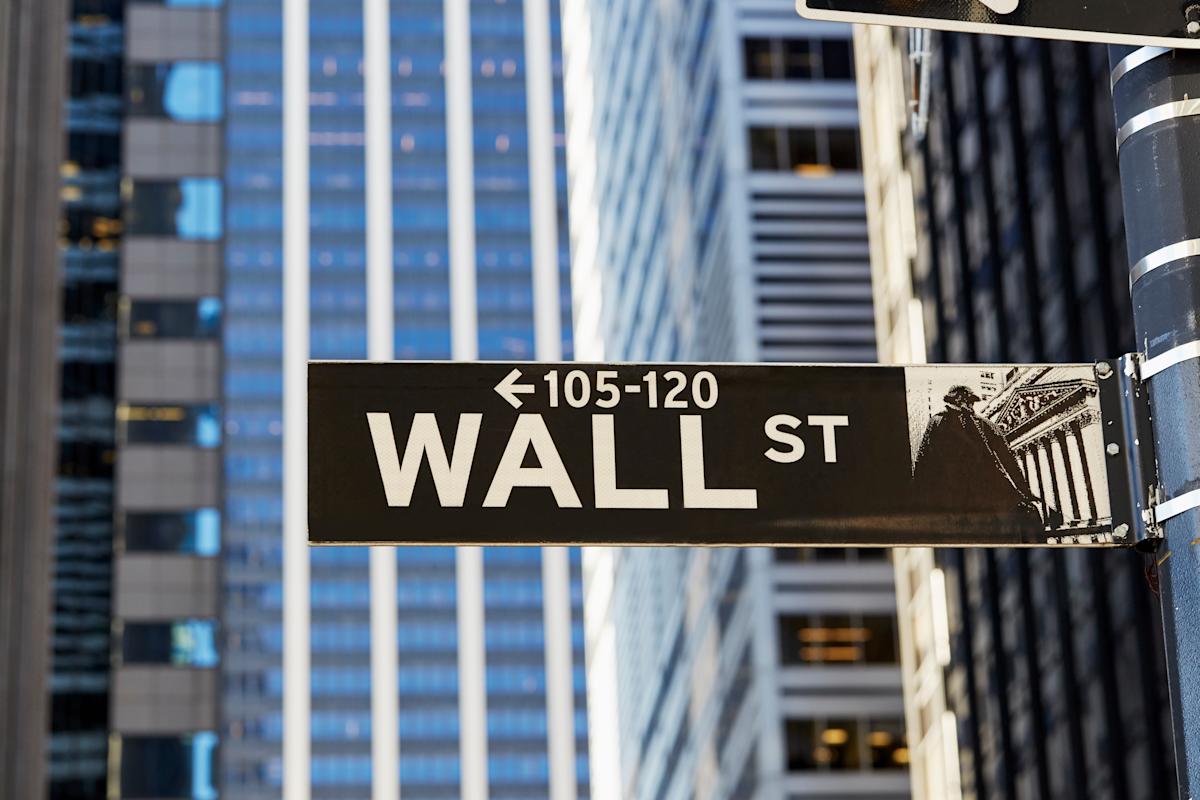

The financial district is buzzing with a mixture of optimism and caution as Wall Street grapples with the aftermath of its most robust market run in over a decade. Since 2009, investors have witnessed a sustained period of growth, fueled by a unique confluence of monetary policy, technological innovation, and evolving consumer behaviors. This extended bull market has reshaped portfolios and recalibrated benchmarks, leading many to question the sustainability of current valuations and the potential for future gains. The current atmosphere suggests a collective holding of breath, as market participants weigh historical data against unprecedented economic conditions.
Analysts are meticulously sifting through earnings reports and economic indicators, seeking clues to the market’s next trajectory. Corporate profits, while showing resilience in many sectors, face headwinds from persistent inflation and rising interest rates. The Federal Reserve’s stance on monetary tightening has introduced a new layer of complexity, moving away from the era of ultra-low rates that characterized much of the post-2008 recovery. This shift alone represents a significant pivot point, influencing everything from bond yields to equity valuations and the cost of capital for businesses across the board.
Further complicating the outlook are geopolitical tensions and supply chain disruptions, which continue to inject volatility into global markets. The interconnectedness of the modern economy means that events unfolding in distant corners of the world can have immediate and profound impacts on investor sentiment in New York. From energy prices to the availability of critical components, these external factors are a constant consideration for fund managers and individual investors alike, often overshadowing domestic economic news.
Yet, pockets of strong performance persist, particularly in sectors driven by artificial intelligence, renewable energy, and biotechnology. These innovative industries are attracting significant capital, promising future growth and challenging traditional investment theses. The narrative of disruption continues to play a central role, with companies that can adapt and innovate often outperforming their more traditional counterparts, even in a more challenging economic climate. This selective growth suggests a market that is increasingly discerning, rewarding agility and forward-thinking strategies.
Many seasoned investors draw parallels to previous periods of extended market prosperity, recalling the inevitable corrections that followed. However, few would argue that the present environment is an exact replica of any past cycle. The sheer scale of technological advancement and the rapid pace of information dissemination have fundamentally altered market dynamics. This makes forecasting particularly challenging, as historical models may not fully capture the nuances of today’s digitally driven, globalized financial landscape.
Ultimately, the consensus on Wall Street appears to be one of cautious optimism. While the extraordinary run since 2009 has certainly set a high bar, there is an underlying belief in the market’s ability to adapt and find new avenues for growth. The focus now is on identifying those sectors and companies best positioned to thrive in a potentially more constrained, yet still dynamic, economic environment. The coming months will undoubtedly test the resilience of both markets and investors, as they navigate a landscape shaped by both historical precedent and unprecedented change.