

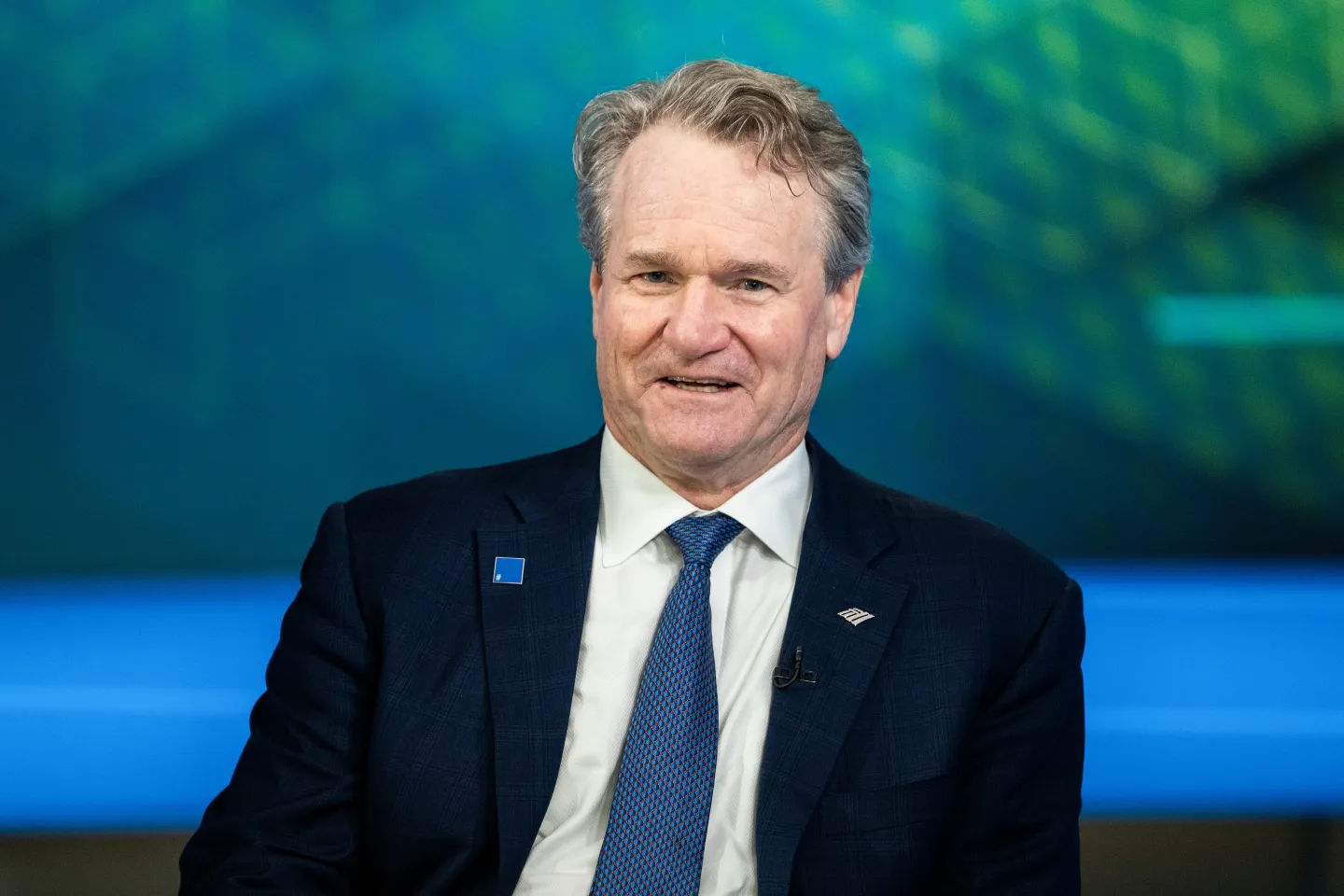

The landscape for recent college graduates entering the professional world appears increasingly fraught, a reality acknowledged by top executives like Bank of America CEO Brian Moynihan. He recently noted that while his institution successfully onboarded 2,000 new hires from a staggering pool of 200,000 applications, many of these young professionals expressed significant apprehension about their future and the impact of artificial intelligence on their careers. This sentiment underscores a broader concern among Gen Z as they navigate a job market characterized by both technological transformation and shifting economic dynamics. Moynihan’s advice to these new recruits is to “harness” the change, framing it as an opportunity rather than an insurmountable threat, suggesting their generation is uniquely positioned to shape the evolving professional environment.
Moynihan’s perspective on AI’s role in the job market remains cautiously optimistic, focusing on its potential to drive growth rather than simply eliminate positions. He envisions the efficiencies gained from AI being reinvested into company expansion, a strategy that could mitigate some of the immediate fears surrounding job displacement. This view contrasts with the more immediate anxieties of young workers, who are already experiencing a challenging entry into white-collar professions. Federal Reserve Chair Jerome Powell and numerous economists have also pointed to a genuine “hiring nightmare” for recent graduates, a situation compounded by a low-hire, low-fire labor market and the rapid automation of roles traditionally filled by entry-level staff.
The challenges facing Gen Z extend beyond just the advent of AI. Powell, in September 2025, highlighted an “interesting labor market” where younger individuals and minorities face particular difficulty securing employment. He described a “very, very low” job-finding rate, even as overall layoffs remain subdued, creating a stagnant environment that disproportionately affects new entrants. While acknowledging AI as a “probable factor,” Powell suggested that slower overall job creation, combined with some AI-driven substitution, is squeezing young workers precisely at the moment they are attempting to establish their careers. This systemic pressure forces many to consider additional educational pursuits, such as specialized programs or further business degrees, in an effort to differentiate themselves in an increasingly competitive landscape, effectively delaying their full-time professional integration.
Employers are increasingly leveraging AI to automate predictable, process-heavy tasks that once formed the core of many junior roles, particularly within corporate and tech sectors. Data from platforms like Handshake, which tracks early-career hiring trends, illustrates this double squeeze: entry-level job postings in corporate roles have seen a year-over-year decline of approximately 15%, while references to “AI” in job descriptions have surged by about 400% over the past two years. This shift indicates a profound restructuring of the professional ladder’s lower rungs. Economists, including Dartmouth’s David Blanchflower, observe that even when young people do secure employment, they often report rising “despair” and a pervasive “this job sucks” sentiment, further exacerbating the impact of higher unemployment rates among recent graduates compared to the national average.
Moynihan also offered a broader critique of the prevailing economic discourse, arguing that there is an undue focus on the Federal Reserve’s actions. He contended that the private sector plays a far more critical role in driving economic growth, stating that the notion of the economy “hanging on the thread by the Fed moving rates 25 basis points” suggests a disproportionate emphasis. His comments underscore a belief that sustained private investment and innovation, rather than minute adjustments in monetary policy, are the true engines of prosperity. This perspective suggests a need to shift focus from reactive measures to proactive strategies for economic expansion, particularly as new technologies like AI reshape industries and require a forward-thinking approach to workforce development and job creation. The anxieties expressed by Gen Z, therefore, are not merely a reflection of technological change, but also a symptom of a larger economic transition that demands robust private sector leadership and adaptive strategies from new entrants to the workforce.