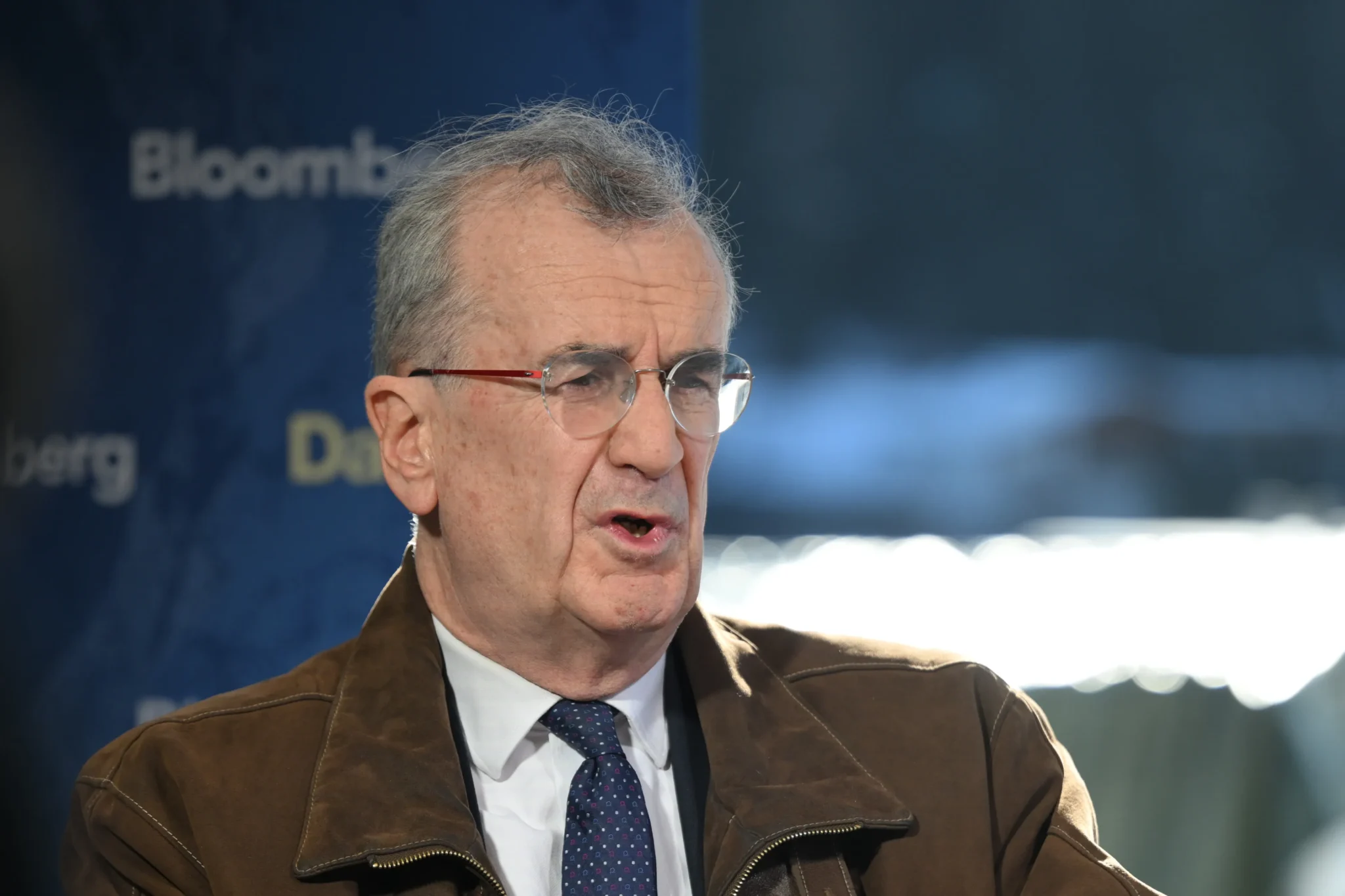

François Villeroy de Galhau, the Governor of the Bank of France, recently voiced his concern regarding the perceived lack of substantial progress in reducing the nation’s budget deficit. His remarks underscore a growing anxiety among European financial authorities about fiscal discipline, particularly as countries navigate the lingering economic effects of multiple global crises. The sentiment articulated by Villeroy de Galhau suggests a belief that while rhetoric around fiscal consolidation exists, concrete actions have yet to match the urgency of the situation.
The French economy, like many across the continent, has been grappling with elevated public spending in recent years, largely driven by measures to cushion citizens and businesses from the impacts of the pandemic and the energy crisis. While these interventions were widely seen as necessary at the time, the focus has now shifted to the long-term sustainability of public finances. Villeroy de Galhau’s assessment points to a critical juncture where temporary support mechanisms need to be unwound, and a clear path toward fiscal health established. The challenge lies in balancing the need for austerity with the ongoing demands for public services and investment.
Observers of European economic policy note that the comments from the Bank of France Governor are not isolated. There is a broader push from institutions like the European Central Bank and the European Commission for member states to rein in their spending. The fear is that unchecked deficits could lead to higher borrowing costs, stifle economic growth, and potentially reignite inflationary pressures that central banks have worked diligently to bring under control. The stability pact, though recently reformed, still sets benchmarks for deficit and debt levels, and nations are expected to demonstrate credible plans to adhere to these parameters.
Discussions within French political circles have often highlighted the difficulties in identifying significant areas for expenditure cuts. Public services are deeply ingrained in the national fabric, and any proposals for reductions often face considerable political resistance. Furthermore, the government has continued to pursue strategic investments in areas like green energy and defense, adding further pressure to the budget. This complex interplay of social expectations, political realities, and economic imperatives makes the task of deficit reduction particularly arduous for policymakers in Paris.
Villeroy de Galhau’s public statements serve as a reminder that central bankers, while independent, play a crucial role in shaping the broader economic discourse. Their assessments often carry significant weight, influencing market sentiment and providing a critical check on government fiscal policies. His critique, therefore, can be interpreted not just as an observation but as an implicit call to action, urging the government to accelerate its efforts and demonstrate a more robust commitment to fiscal responsibility. The coming months will likely reveal whether this message translates into tangible policy shifts, or if the current trajectory of minimal effort persists.