

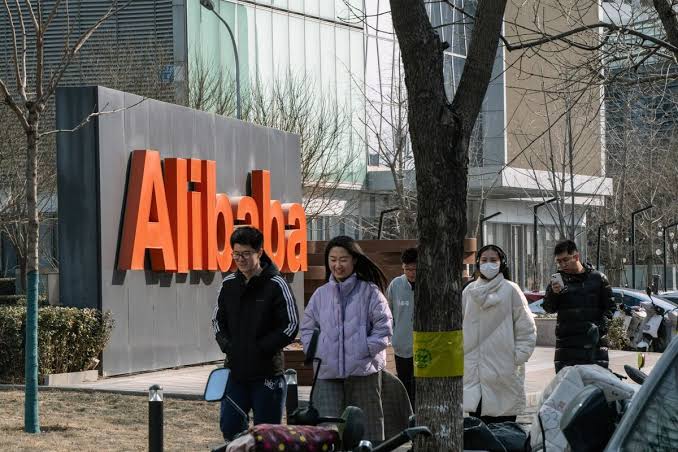

Alibaba, the Chinese e-commerce behemoth, has divested its in-house video game development arm, Lingxi Games, in a transaction reportedly exceeding $2 billion. This strategic move signals a decisive shift away from gaming and squarely into the burgeoning artificial intelligence sector, a domain closely aligned with Beijing’s national industrial priorities. The sale of Lingxi Games, known for the mobile hit *Three Kingdoms: Strategy Edition*, to private-equity firm Trustar Capital effectively removes Alibaba from the internal game development landscape entirely.
The rationale behind this significant corporate restructuring, as articulated by Lingxi CEO Zhou Bingshu in an internal memo, is to “better focus on its strategic priorities.” These priorities, analysts suggest, are largely dictated by the evolving economic landscape within China, where AI and cloud computing have become central to the government’s long-term vision. Rui Ma, a prominent China tech analyst and founder of Tech Buzz China, characterized the divestment as Alibaba “cleaning up the cap table” and streamlining its operations.
Last year, Alibaba committed an ambitious $53 billion over a three-year period to bolster its AI and cloud infrastructure, a figure that surpasses its investment in these areas over the preceding decade. CEO Eddie Wu indicated in May that this spending could even increase, citing rising data center construction costs. The company has set an aggressive target of achieving $100 billion in AI revenue by 2031, underscoring the scale of its commitment to this sector. This renewed focus marks a departure from an earlier era when Alibaba’s robust e-commerce profits allowed it to fund a wide array of ventures across diverse industries.
However, the competitive landscape has shifted dramatically. Intense domestic competition from rivals such as Pinduoduo and Meituan has eroded the once-unassailable dominance of Alibaba’s e-commerce operations. This has necessitated a more disciplined approach to capital allocation. Ma observed that the company could no longer “just kind of ride the cash flow from e-commerce and then just invest in whatever is interesting,” forcing a sharper strategic focus. Lingxi Games, in this context, represented a relic of a past strategy that aimed to place “many pieces on the board” rather than concentrating resources.
Gaming was never a core strength for Alibaba, particularly when compared to Tencent, a global powerhouse in the gaming industry. AI, however, presents a different opportunity. Alibaba entered the artificial intelligence race with a significant advantage: one of China’s leading cloud businesses already in place. This provides the essential infrastructure for building and deploying AI products, as well as a clear pathway for monetization. Ma notes that Alibaba maintains a strong position in the Chinese cloud market while simultaneously developing a credible model strategy, despite fierce competition.
Beyond pure commercial logic, the strategic decisions of major Chinese companies are often intertwined with Beijing’s broader industrial objectives. Usha Haley, a professor at Wichita State University who has extensively researched state support for Chinese enterprises, emphasizes that companies like Alibaba operate with a keen awareness of government interests. She states that these interests are “clearly communicated,” creating strong incentives for companies to direct resources toward sectors deemed strategically important by the state, such as AI and cloud infrastructure. This alignment suggests that Alibaba’s shift is not merely a business decision but also a response to the prevailing national economic direction. The company’s Qwen models have already propelled it into the global AI competition, with over 3 billion downloads of its open-weight models in the last six months, a metric that places Alibaba ahead of both Meta and Google in that specific regard.