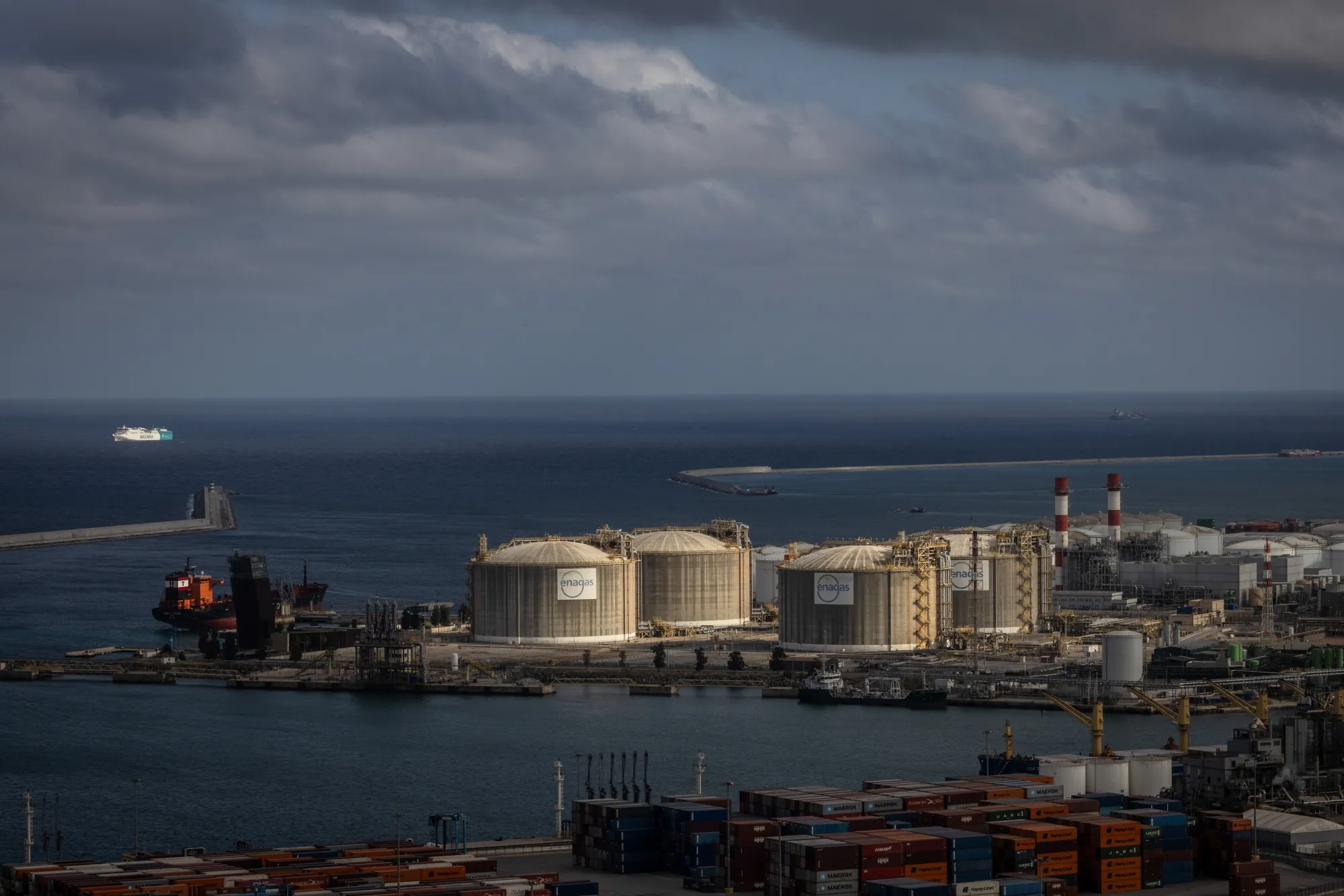
Across the continent, natural gas prices have seen a noticeable uptick, a movement directly attributed to the keen eyes of energy traders who are meticulously tracking Germany’s determined efforts to fill its storage facilities ahead of the colder months. This period of intense scrutiny reflects a broader market anxiety, a lingering echo from the energy crises of recent years, as Europe braces itself for another winter with a precarious balance between supply and demand. The sheer volume of gas Germany needs to secure, coupled with the geopolitical realities that continue to shape global energy flows, means that every cubic meter added to German reserves sends ripples through the trading floors from Amsterdam to London.
The current trajectory of gas prices, while not yet reaching the stratospheric levels witnessed in 2022, underscores the market’s sensitivity to even incremental shifts in supply security. Germany, as Europe’s largest economy and a significant consumer of natural gas, plays an outsized role in this dynamic. Its strategic stockpiling targets are ambitious, designed to ensure industrial resilience and residential heating, but achieving them requires substantial purchases on the international spot markets, which in turn influences pricing for other European nations. This collective scramble, particularly as the heating season approaches, inevitably creates upward pressure on benchmarks like the Dutch TTF futures.
Analysts are dissecting daily storage injection rates, pipeline flows, and LNG terminal utilization across Europe, with a particular focus on the German contribution. The country’s gas storage levels, while currently robust compared to historical averages for this time of year, are still in a race against the calendar. The goal is not merely to meet minimum legal requirements but to build a buffer that can absorb unexpected supply disruptions or prolonged cold spells without triggering a fresh surge in energy costs or, worse, rationing. This proactive approach, born from past vulnerabilities, is a necessary but costly endeavor that the market is clearly pricing in.
Beyond the immediate impact on gas prices, Germany’s stockpiling strategy also has longer-term implications for European energy policy and infrastructure development. It reinforces the need for continued diversification of supply sources, including the expansion of LNG import capabilities and the acceleration of renewable energy projects. While the focus remains on short-term winter preparedness, the underlying message from the trading desks is clear: the continent’s energy transition, while crucial, cannot yet fully decouple from the volatilities of the global gas market. The urgency of Germany’s current buying spree serves as a stark reminder of this enduring reality.
The ongoing situation highlights the interconnectedness of Europe’s energy landscape. A decision made in Berlin to secure additional gas for its populace directly impacts the energy budgets of households and industries in neighboring countries. This collective reliance means that while individual nations pursue their own energy security, the overall stability of the European market remains a shared responsibility, constantly under the watchful eye of traders anticipating the next move and its subsequent effect on the price of a critical commodity.