

The financial landscape of Elon Musk’s various ventures shifted dramatically with the recent acquisition of xAI by SpaceX, a transaction that reportedly pushes their combined valuation to an extraordinary $1.25 trillion. This move, which merges the artificial intelligence firm Musk founded three years ago with his rocket company, sets the stage for a potential initial public offering (IPO) of SpaceX later this year, an event speculated to be among the largest in history. The reported terms suggest xAI shares are valued at $526.59 each, contributing to an overall enterprise value that has captured the attention of industry observers.
Musk articulated his vision for this integration in a blog post on SpaceX’s website, framing the combined entity as a “vertically integrated innovation engine.” He cited the potential for space-based data centers as a key benefit, a concept still largely theoretical but one he believes can address the escalating energy demands of AI. Such facilities, harnessing continuous solar power in orbit, are presented as a solution to the limitations of terrestrial computing infrastructure, offering reduced operating and maintenance costs. This perspective underscores a belief that current global electricity grids are insufficient to meet the burgeoning needs of AI development.
This acquisition follows a pattern of intermingling financial interests among Musk’s companies. A notable example involved Tesla’s 2015 acquisition of Solar City, a company founded by Musk’s cousins where he served as chairman. More recently, in March 2025, xAI absorbed X, the social media platform previously known as Twitter, in an all-stock deal valued at $33 billion. At that time, Musk emphasized the intertwined future of xAI and X. These transactions illustrate a recurring strategy of consolidating various technological and financial assets under a broader, interconnected umbrella.
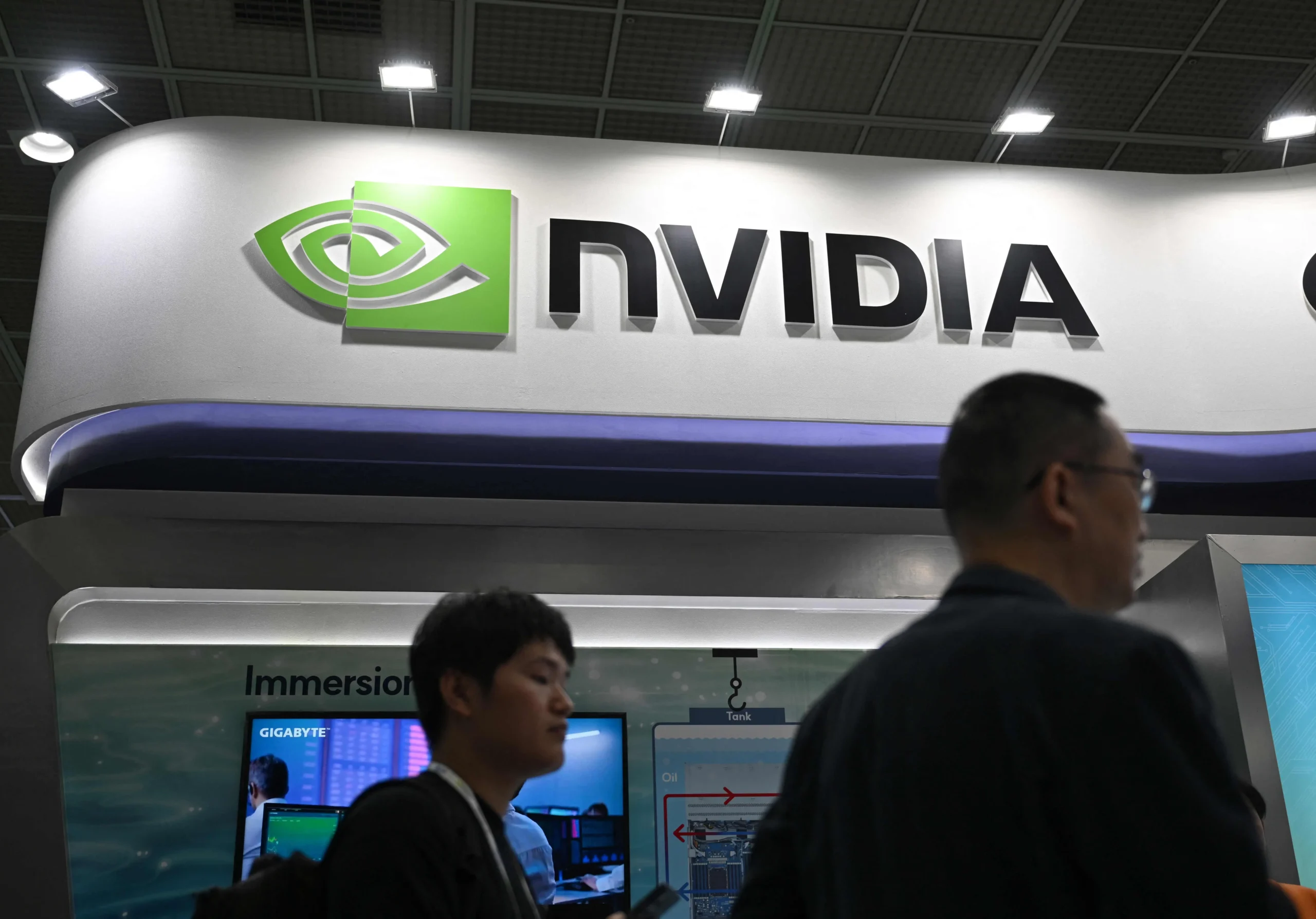
Just last month, Tesla disclosed a $2 billion investment in xAI, acquiring preferred stock as part of xAI’s $20 billion Series E funding round. This investment means Tesla shareholders now hold a stake in a company that has become a subsidiary of SpaceX, potentially raising questions from investors regarding Tesla’s role in financing xAI’s expansion. Further demonstrating the circular nature of these business relationships, Tesla also reported selling $430 million in Megapack battery storage systems to xAI in 2025, incurring a cost of $285 million. These financial flows highlight a complex web of transactions between Musk’s various enterprises.
The xAI firm itself was established in 2023 with the stated aim of developing “truth seeking” AI, characterized by a “rebellious streak.” Its Grok chatbot has generated controversy, including instances where it was reportedly blocked in certain countries for producing inappropriate deepfake images. Despite these issues, Musk’s recent statements regarding the SpaceX-xAI merger focused less on specific product lines like Grok and more on the broader implications of expanding AI capabilities beyond Earth’s confines. He suggested that space-based data centers could become the most cost-effective method for generating AI compute within the next few years.
Musk’s long-term vision extends even further, positing that the capabilities unlocked by space-based data centers could fund and enable lunar bases, a Martian civilization, and ultimately, a broader expansion into the universe. He characterized this merger not merely as a new chapter but as a new “book” in the missions of both SpaceX and xAI, aiming to scale towards a “sentient sun” to comprehend the cosmos and propagate consciousness among the stars. The sheer scale of the reported valuation and the swiftness of the deal have surprised many, signaling both the immense expectations surrounding AI and potential concerns about an overheated market.