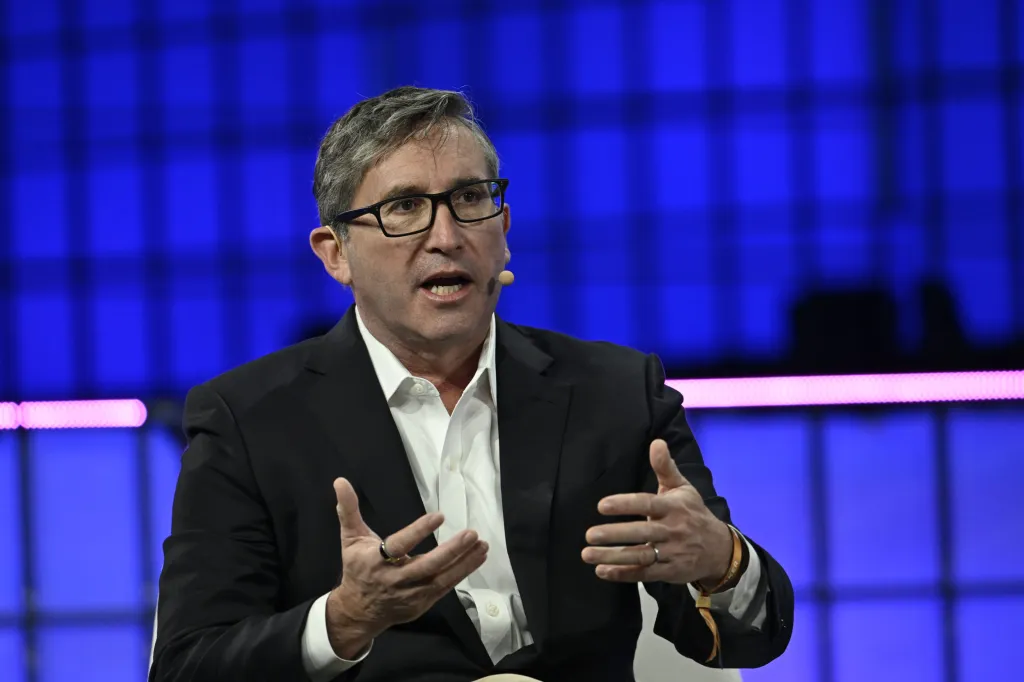

The cost of owning a new device often extends beyond the initial purchase price, a reality increasingly tied to subscription models across the tech industry. This trend is particularly evident with products like the Oura Ring 4, which retails between $349 and $499, yet requires an additional monthly or annual fee for its full functionality. Oura Health Oy, the company behind the popular smart ring, maintains that this recurring charge is vital for ongoing product development and customer value, a stance articulated by CEO Tom Hale.
Hale asserts that the $5.99 monthly or $69.99 annual membership directly funds the continuous stream of updates and new features that enhance the Oura Ring’s utility over time. In the past year alone, the company has integrated two new features for improved data accuracy and introduced fourteen additional functionalities, including those addressing pregnancy and cumulative stress monitoring. This perspective suggests that the subscription model is not merely a revenue stream but a mechanism to ensure the product remains relevant and valuable long after the initial sale. Hale highlighted that Oura’s membership model drives innovation, pointing to strong evidence of sustained user engagement and robust retention rates as indicators that members find substantial value month over month.
However, this approach comes at a time when consumer sentiment toward subscriptions, especially for products already purchased, is showing signs of fatigue. The concept of “subscription creep” is becoming a significant concern for many, as recurring charges proliferate across various aspects of daily life. Data from Rocket Money, a personal finance application, indicates that the average user adds two to four subscriptions annually, with a quarter of its user base managing over seventeen active subscriptions. Kimberly Hamilton, a senior financial education manager at Rocket Money, observes that while subscriptions can offer convenience by automating services, they also have the potential to rapidly inflate overall expenses.
This growing apprehension is not limited to niche tech products. Even within the well-established streaming services sector, which has normalized recurring fees over two decades, Deloitte’s 2025 Digital Media Trends survey revealed that 39% of consumers had canceled a subscription within a two-month period. The expansion of subscription requirements into new product categories, such as high-value consumer electronics and even automobiles, further exacerbates this consumer concern. For example, Peloton’s exercise bikes, which start at over $1,600, mandate a $49.99 monthly subscription for access to instructor-led classes and metric tracking. Without this fee, the bike’s functionality is severely limited, offering only basic ride capabilities and a minimal selection of pre-recorded workouts.
The automotive sector provides another notable example, with Elon Musk’s recent decision to transition Tesla’s Full Self-Driving technology to a subscription-only model. This change also eliminated the standard free “Autopilot” steering feature previously included with models like the Model 3 and Model Y, leaving only Traffic-Aware Cruise Control unless customers opt for more advanced driver-assistance features starting at $99 per month. This contrasts with other manufacturers, such as Toyota and Honda, which offer lane assist steering as a standard in some of their vehicles, including the Corolla and Civic.
Despite consumer pushback, the underlying economics can make subscription models attractive for companies. Aleksandar Tomic, associate dean for strategy, innovation, and technology at Boston College, suggests that consumers may sometimes prefer the lower monthly cost of a subscription over a substantial upfront fee, as it spreads out the financial burden and appears more manageable. From a business standpoint, companies like Oura face high fixed costs associated with research, development, engineering, and server infrastructure. While these initial and ongoing operational expenses can be significant, the marginal cost of serving an additional customer, particularly in software-driven services, is often relatively low. This creates a powerful incentive for tech companies to secure predictable, recurring revenue streams to fund continuous innovation and maintain product functionality over time, even if it means navigating evolving consumer expectations regarding ownership and access.