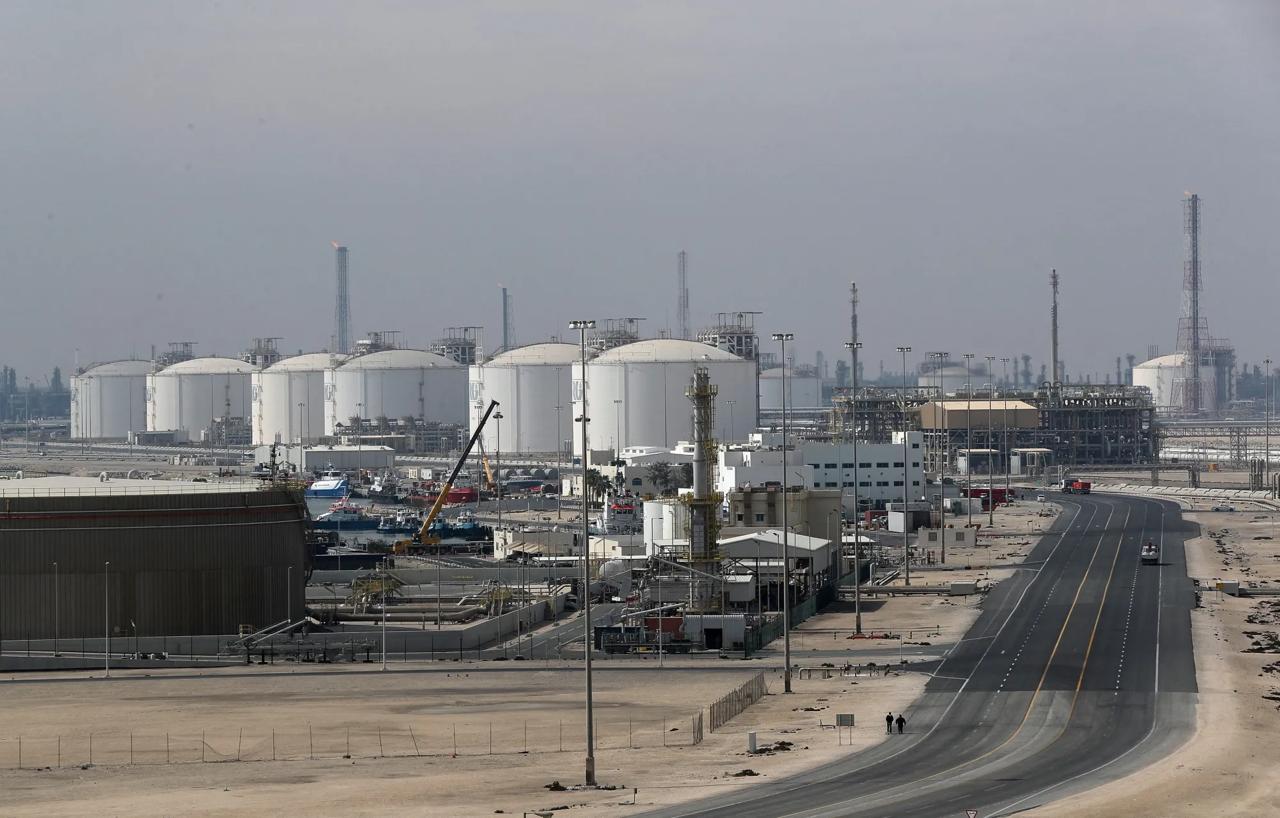
European natural gas markets were thrown into disarray on Monday following Qatar’s unexpected decision to cease liquefied natural gas (LNG) production at its colossal Ras Laffan facility. Front-month futures at the Dutch Title Transfer Facility (TTF), Europe’s primary gas trading benchmark, initially surged by an astonishing 45% to €49.5 per megawatt-hour (MWh). Although prices later receded to €40.5 per MWh, they still closed 20% higher than Friday’s figures, reflecting the immediate impact of the supply disruption. The equivalent contract in the United Kingdom also saw a significant 33% increase, climbing to 125 pence per therm, underscoring the widespread concern across European energy grids.
The abrupt market volatility was directly triggered by an official announcement from QatarEnergy, the state-owned energy conglomerate. The company confirmed the suspension of operations at its Ras Laffan LNG production site, citing “safety concerns related to the ongoing conflict” in the Middle East. Ras Laffan is not just any facility; it stands as the world’s largest LNG production complex, boasting an immense capacity of 33 million tonnes per annum (mtpa), and is a critical supplier of natural gas to numerous European nations. QatarEnergy’s statement emphasized, “The safety of our personnel and facilities is our utmost priority. We are closely monitoring the situation in the region and will resume operations once it is safe to do so.”
This immediate shutdown ignited widespread fears of an impending supply crunch across Europe. The continent has grown increasingly reliant on LNG imports to meet its energy demands, a dependence that intensified dramatically after Russia curtailed pipeline gas supplies following its invasion of Ukraine. Energy analysts swiftly voiced concerns that a prolonged disruption at such a pivotal facility could have severe ramifications for Europe’s energy security, potentially driving prices even higher as winter approaches. This event highlights the precarious balance of global energy supply and demand, especially for a continent actively seeking to diversify its energy sources.
Beyond the immediate supply concerns, the sharp price surge also reflects the heightened geopolitical risks permeating the Middle East, a region intrinsically vital to global energy flows. The recent escalation of conflict, which began last week, has exacerbated anxieties regarding the security of crucial shipping lanes. Among these, the Strait of Hormuz stands out as a particularly vulnerable chokepoint for the transit of oil and gas tankers, raising fears of broader disruptions to global energy transportation. While QatarEnergy refrained from detailing the precise nature of the safety threats, the timing of their announcement coincides with reports of increased military activities throughout the volatile region, suggesting a direct link to the escalating tensions.
European governments and major energy corporations are now undoubtedly scrambling to identify and secure alternative gas supplies. However, short-term options appear severely limited, exposing the inherent fragility of global energy markets. This incident serves as a stark reminder of how rapidly geopolitical events can translate into tangible economic impacts, driving commodity prices upward and challenging the stability of international energy infrastructure. The interconnectedness of global supply chains means that regional conflicts can reverberate across continents, underscoring the persistent vulnerability of energy security to geopolitical instability and the urgent need for robust contingency planning.