


A McDonald’s combo meal in Tel Aviv now carries a price tag of $20.90, the highest globally, a stark contrast to Tokyo where the same meal costs $4.90. This dramatic divergence underscores a significant shift in the economic landscapes of two major international cities, driven largely by currency fluctuations and domestic policy decisions, according to a recent Deutsche Bank report. Just a decade ago, Tel Aviv was considered a moderately priced Mediterranean city; today, it stands among the world’s most expensive urban centers.
The shekel’s appreciation, approximately 30% against the dollar, including a 13% gain in the last year despite regional conflict, is a primary driver of Tel Aviv’s escalating costs. This currency strength is attributed to Israel’s robust domestic tech and defense sectors, alongside supply chain disruptions. Zvi Eckstein, former Bank of Israel deputy governor and head of the Aaron Economic Policy Institute, noted that Israelis historically held significant savings in foreign currency. However, the exceptional performance of the Israeli stock market, which saw a 50% jump compared to the S&P 500’s 20% rise, prompted a shift back into shekel-denominated assets, further bolstering the currency. This asset reallocation, Eckstein explained, was a significant, perhaps one-time, change contributing to the shekel’s strength.
Beyond the exchange rate, domestic policies and supply constraints have exacerbated Tel Aviv’s high cost of living. The Israel Land Authority, controlling over 90% of the nation’s land, centralizes development decisions, often prioritizing commercial projects over residential ones. This approach has led to tight housing supply amidst rising demand. Furthermore, agricultural imports face substantial tariffs; for example, dairy products are subject to an average tariff of 42%, compared to a mere 0.1% for non-agricultural goods, according to WTO data for 2025. These factors contribute to a consumer basket that Eckstein describes as “very expensive.” Since 2012, Tel Aviv has seen net salaries increase by 137%, apartment prices by 136%, and even a dinner for two now costs 122% more. The city also ranks among the top five globally for the cost of jeans and summer dresses, and is second for gasoline and new cars, with gas prices jumping 27% in a single year, linked directly to the impact of the Iran conflict on energy supplies. While wages have climbed nearly 98.5% in dollar terms since 2016, outpacing the global average, the property price-to-income ratio indicates that housing costs are rising even faster.
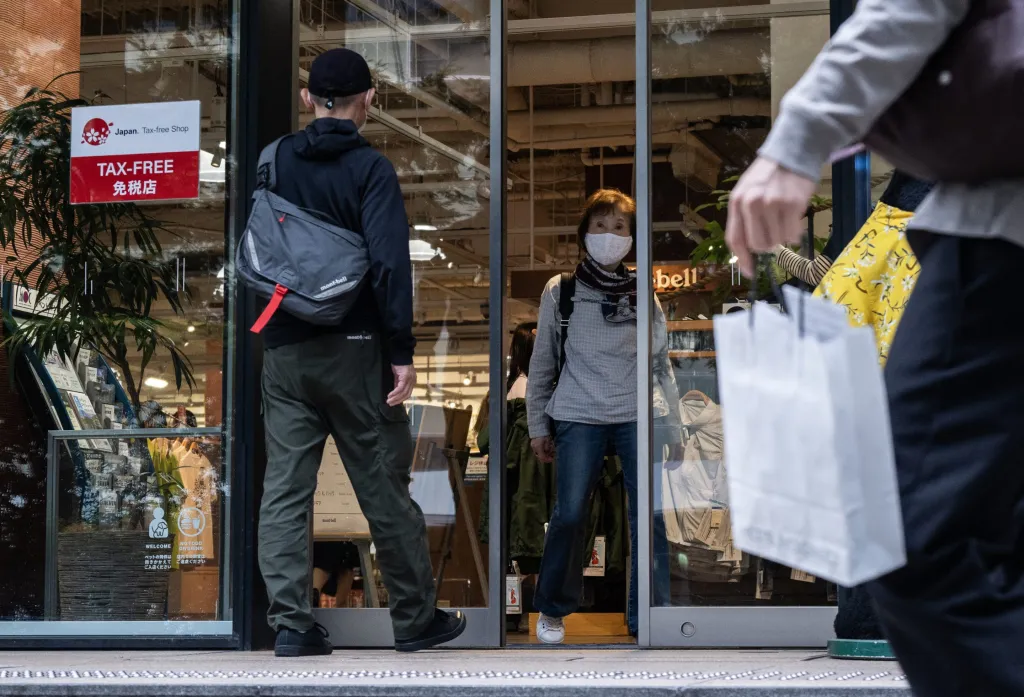
Conversely, Tokyo has undergone a profound transformation from one of the world’s most expensive cities to a relative bargain. Three decades ago, a coffee or a rental apartment in Tokyo could cost nearly double the price in the United States. However, the yen has depreciated by 51% against the dollar since 2012, largely due to the Bank of Japan’s sustained loose monetary policy aimed at combating persistent deflation. This weakening currency has dramatically altered Tokyo’s affordability index, plummeting from 173 to just 60, marking the steepest repricing among developed economies tracked by Deutsche Bank.
Today, a three-bedroom apartment in central Tokyo rents for approximately a quarter of the New York price, and a dinner for two is roughly a third of the cost in Zurich or New York. The city has also become the cheapest place to purchase a new iPhone. This newfound affordability has turned Japan into a magnet for international travelers, with tourism becoming the nation’s second-largest export, despite some local grumbling about overtourism. However, this advantageous situation for tourists does not extend to Tokyo’s workforce. Net salaries in dollar terms have fallen 18% since 2016, placing Tokyo 39th out of 69 cities tracked by Deutsche Bank, below Madrid. A worker in Zurich, for instance, earns three and a half times more than their Tokyo counterpart. Japan’s aging and shrinking population presents a significant demographic challenge, which the Deutsche Bank report suggests could necessitate aggressive AI implementation to address labor shortages, particularly leveraging the country’s expertise in manufacturing and robotics.