
A distinct pattern has emerged from the financial portfolios of UBS’s entrepreneurial clientele: a strong, almost singular focus on artificial intelligence as the next frontier for substantial economic growth. This isn’t merely a speculative embrace of a trending technology; rather, it reflects a calculated migration of capital towards ventures poised to capitalize on AI’s transformative potential across various sectors. These aren’t the broad market players, but rather individuals who have built their fortunes on identifying and exploiting nascent opportunities, now channeling considerable resources into AI-driven enterprises.
The conviction among these high-net-worth individuals stems from a fundamental belief that AI will fundamentally reshape industries, creating entirely new markets and rendering existing business models obsolete. Conversations with wealth managers at UBS reveal a consistent narrative: clients are actively seeking out direct investments in AI startups, backing venture capital funds with an explicit AI mandate, and repositioning their legacy businesses to integrate AI technologies at their core. This proactive stance suggests a strategic imperative to not just participate in the AI revolution, but to lead within their respective niches.
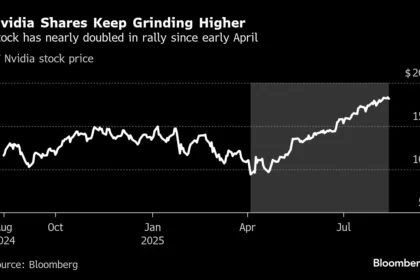
One notable trend is the interest in infrastructure supporting AI development, such as specialized semiconductor companies and data management platforms. This indicates an understanding that the foundational layers of AI are as crucial as the applications themselves. Furthermore, there’s a discernible move towards AI applications in healthcare, logistics, and personalized services, areas where the potential for efficiency gains and novel solutions is particularly high. These entrepreneurs are not just looking for incremental improvements; they are chasing exponential returns that AI promises to deliver.
The risk appetite among these clients also appears to be elevated when it comes to AI investments. Many are comfortable with longer investment horizons and the inherent volatility associated with early-stage technological plays, a testament to their belief in AI’s long-term trajectory. This contrasts somewhat with more traditional investment strategies that prioritize stability and immediate returns. For these entrepreneurs, the opportunity cost of not being involved in AI is perceived as far greater than the risks of early adoption.
UBS, through its advisory services, has observed a shift in the dialogue from general technology discussions to specific AI-centric strategies. This involves detailed analyses of intellectual property, talent acquisition in the AI space, and regulatory landscapes that could impact development. The firm’s role often extends beyond simple asset management, venturing into connecting these entrepreneurial clients with promising AI ventures and providing insights into market dynamics that are still taking shape.
Ultimately, the collective actions of UBS’s entrepreneurial clients paint a vivid picture of a financial elite positioning itself for a future significantly shaped by artificial intelligence. Their willingness to commit substantial capital and intellectual resources underscores a deep-seated conviction that AI is not just another technological wave, but a defining economic force of the coming decades. Their bets are substantial, reflecting not just a hope for gains, but an expectation of profound economic reordering.