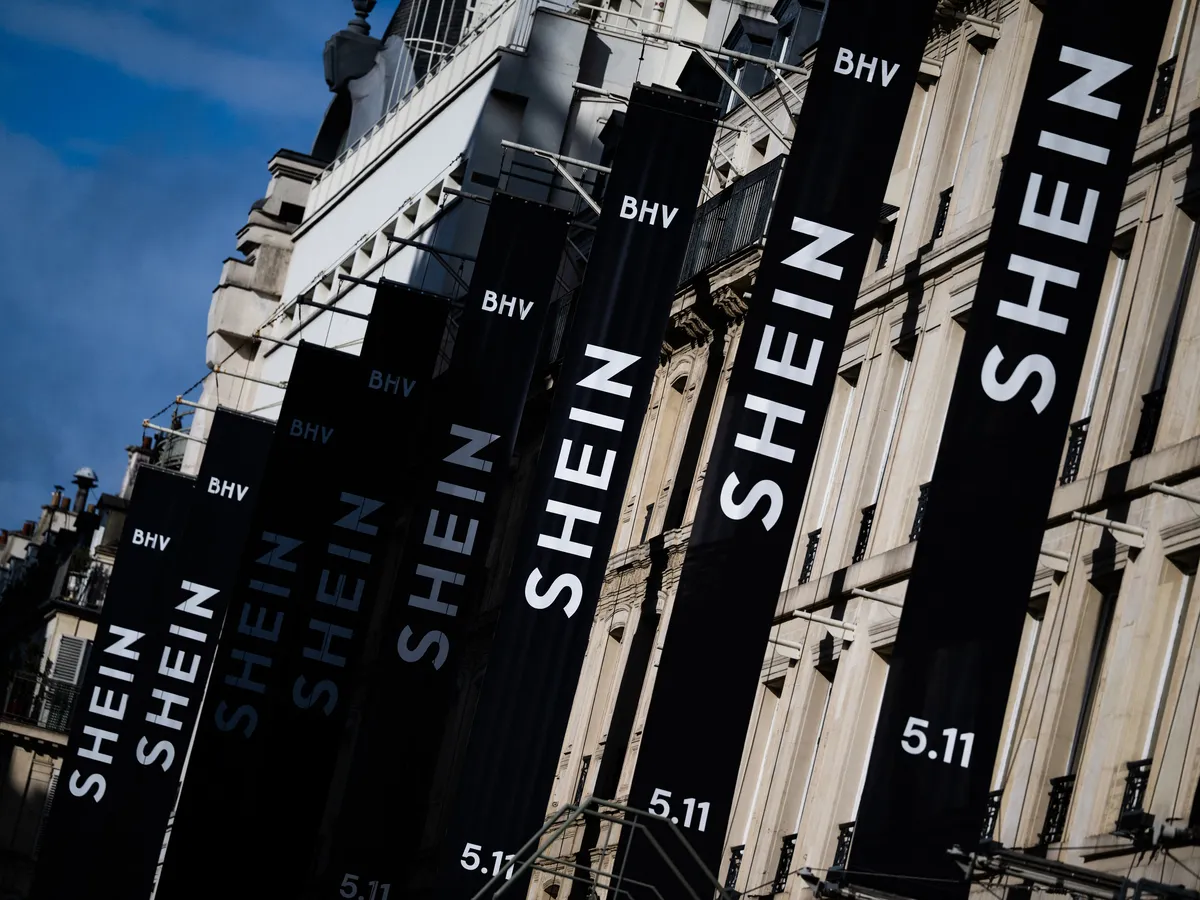

The e-commerce giant Shein, once valued at an eye-watering $100 billion, has seen its market valuation plummet to an estimated $26 billion, a dramatic recalibration that reflects a shifting landscape for fast fashion and privately held tech companies alike. This precipitous drop, reported in recent funding rounds and investor discussions, underscores the intense scrutiny now facing businesses that prioritize rapid growth above all else, especially as public market conditions grow more conservative and regulatory pressures intensify across key global markets. It’s a stark reminder that even the most meteoric rises can be met with equally sharp adjustments when the broader economic climate changes.
Just a few years ago, Shein was a darling of venture capitalists, celebrated for its ultra-fast production cycle, aggressive social media marketing, and ability to churn out thousands of new styles daily, appealing directly to Gen Z consumers with impossibly low prices. Its asset-light model, leveraging a vast network of contract manufacturers in China, allowed it to bypass traditional retail challenges and scale at an unprecedented pace. This approach, however, also drew significant criticism, ranging from concerns over labor practices and intellectual property infringement to the environmental impact of disposable clothing. These issues, while not new, have gained increasing traction among consumers and policymakers, contributing to a more challenging operational environment.
The current financial landscape is undeniably different from the frothy days of 2022 when Shein secured its $100 billion valuation. Interest rates have climbed, venture capital funding has tightened, and investors are now prioritizing profitability and sustainable growth over sheer market share. Companies once lauded for their potential are now being judged on their tangible earnings and clear paths to an IPO, a prospect that Shein has reportedly been exploring. This shift in investor sentiment has impacted numerous private companies, with many experiencing “down rounds” where their valuation decreases from previous funding stages. Shein’s case is particularly notable due to the sheer scale of its prior valuation and the magnitude of the reduction.
Operational hurdles have also played a role in this re-evaluation. While Shein successfully navigated supply chain disruptions during the pandemic, its reliance on a global logistics network has made it vulnerable to geopolitical tensions and rising shipping costs. Furthermore, the company faces increasing competition from established players adapting to the fast-fashion model, as well as new entrants in the ultra-fast retail space. Regulatory scrutiny, particularly concerning its data practices and supply chain transparency, has emerged as a significant challenge, especially as the company considers expanding its presence in Western markets where consumer protection and ethical sourcing are high priorities.
For Shein, the path forward involves demonstrating a clear strategy for long-term sustainability, both in its business model and its environmental and social impact. This could mean investing more in ethical manufacturing, diversifying its product offerings, and building stronger brand loyalty beyond just price. The company has already begun to address some of these concerns, for instance, by launching initiatives aimed at improving transparency and engaging in more sustainable practices. However, convincing a more skeptical market that it can evolve beyond its initial disruptive, but often controversial, approach will be crucial. The $26 billion valuation marks not just a financial correction, but a turning point where the market demands a more mature, accountable vision from the once unstoppable e-commerce juggernaut.