
BRUNO FAHY/AFP/Getty Images
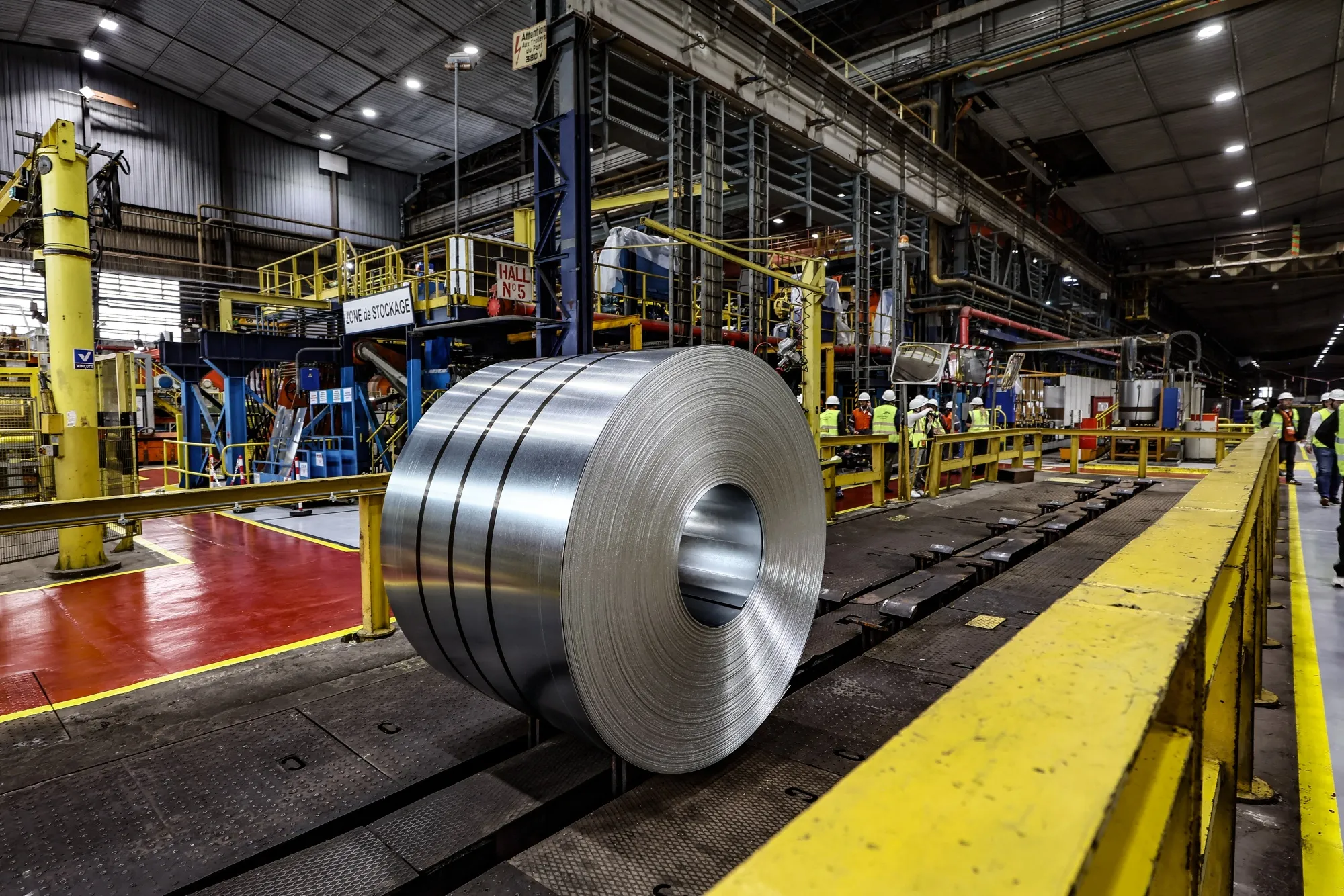
Brussels has spent the past year escalating its trade defenses against Chinese manufacturing, doubling tariffs on Chinese steel to 50% to combat what it calls global overcapacity, layering duties of up to 45% onto Chinese-made electric vehicles, and rolling out new “Made in Europe” rules that favor domestic suppliers in public contracts. France and Germany have gone further still, pushing for the EU to make it easier to invoke its never-used Anti-Coercion Instrument against Beijing. The message from European capitals is consistent: China’s state-subsidized industrial machine is distorting global trade, and tariffs are the tool to push back.
The trouble, critics increasingly argue, is that the tariffs aren’t actually fixing what they’re meant to fix. Europe now produces nearly nine times as many plug-in vehicles as it did in 2019, even as conventional vehicle output has fallen roughly 40% — yet European automakers are simultaneously lobbying Brussels to water down emissions targets while cutting around 100,000 jobs. That combination doesn’t look like the robust, protected domestic industry tariffs were supposed to incubate; it looks like an industry still struggling despite the protection.
Part of the problem is structural: the EU has restricted imports of Chinese-made EVs while leaving trade in the batteries that power them largely untouched. That’s convenient for European carmakers, who get to keep buying cheaper Chinese battery cells rather than investing in domestic alternatives — but it undercuts the entire premise of the policy if the goal is building up advanced European manufacturing rather than just protecting final assembly.
China, for its part, hasn’t stayed passive. Beijing has warned that broader EU tariffs risk derailing trade negotiations entirely, and has opened its own anti-dumping probes into European exports in apparent retaliation. That tit-for-tat dynamic raises the stakes on every new EU trade measure, turning what started as sector-specific interventions — steel, EVs, solar panels — into a broader test of the entire EU-China economic relationship.
The deeper critique emerging from trade economists is less about whether Europe should respond to Chinese overcapacity at all, and more about whether tariffs are the right instrument. Protectionism can buy European industries time, but it doesn’t by itself fix the underlying competitiveness gap — energy costs, scale, and years of underinvestment relative to Chinese state-backed manufacturers. Without pairing trade defense with serious investment in European industrial capacity, the argument goes, Brussels risks treating the symptom while the disease — a widening gap in cost and output with Chinese manufacturers — keeps getting worse.