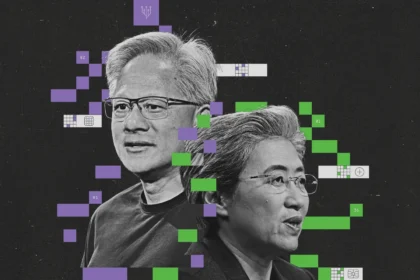

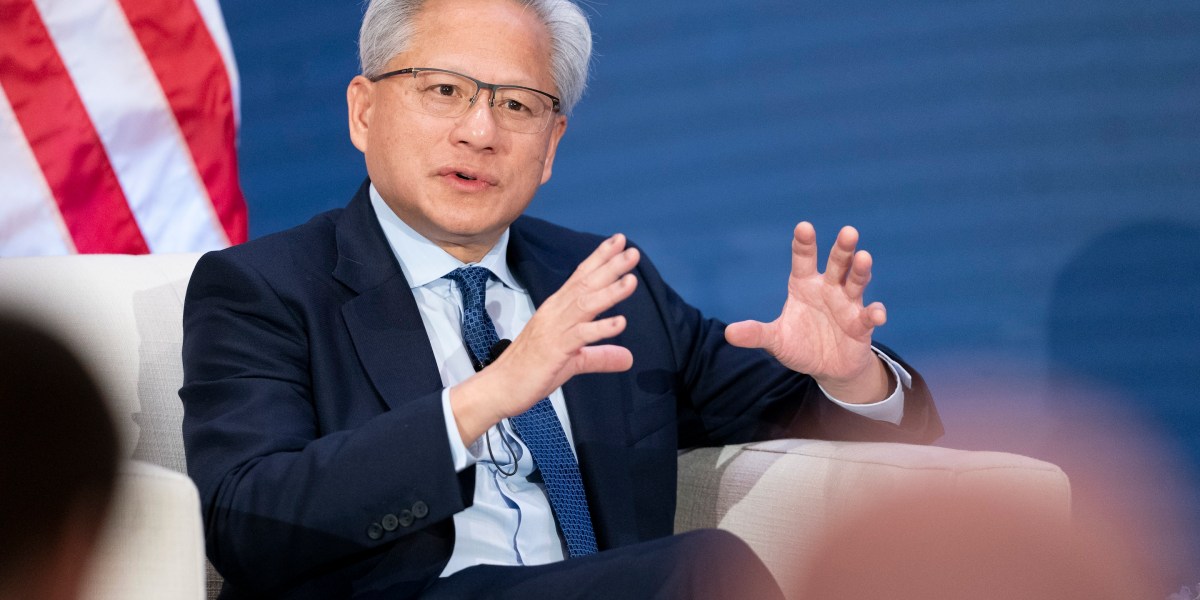

Nvidia’s board is considering restructuring the company’s leadership rather than replacing CEO Jensen Huang, according to experts. The decision is complicated by the fact that Huang built the company from the ground up, and there is no obvious successor.
Complicated Leadership Dynamics
In most corporate scandals, the CEO is either replaced or put on leave while investigations are carried out. However, at Nvidia, the board may opt for a different approach. Jason Schloetzer, an associate professor of accounting at Georgetown University, suggests that the board could appoint a clear second-in-command, communicate more openly about succession planning, and reshuffle board seats to signal stronger oversight. Huang would remain CEO, but under closer supervision.
Nvidia operates differently from a typical large corporation. Huang has built an unusually flat management structure, with dozens of direct reports and few layers of hierarchy. This structure has kept him at the center of the company since its founding in 1993. Jo-Ellen Pozner, an associate professor of management at Santa Clara University, calls it ‘an extremely unusual organizational structure.’ While it has worked well for a small organization, Nvidia has outgrown it, and there needs to be more disagreements and productive conflict.
Succession Planning Challenges
Nvidia has not publicly identified a successor, and Pozner suggests that promoting an insider would be risky because investors, regulators, and business partners would be looking for credibility and stability. That leaves bringing in an outsider, which carries its own risks. Finding a replacement is only half the problem. The other half is whether Nvidia's board would be willing to remove Huang at all, given his pivotal role in the company's success.