

President Donald Trump has publicly endorsed Jensen Huang’s return as chief executive of Nvidia, calling it the best outcome for both the company and the United States. The statement comes as investigators uncover more details about a suspected Chinese effort to acquire Nvidia’s advanced chips and about Huang’s relationship with a woman alleged to have ties to Chinese intelligence.
“It would be the best thing for the Company, and also, for the U.S.A.,” Trump wrote on social media. His support raises the political stakes around Nvidia’s leadership crisis and could influence how the board handles a decision that has already roiled markets and Washington.
The spy probe deepens
Huang stepped down as Nvidia CEO after reports that his affair partner, Alice Huang, had been in contact with China’s Ministry of State Security for more than a year during their relationship. Alice Huang is not related to Jensen Huang. The New York Times reported that her business partner and husband, Kang Wei, also had links to the Chinese intelligence service.
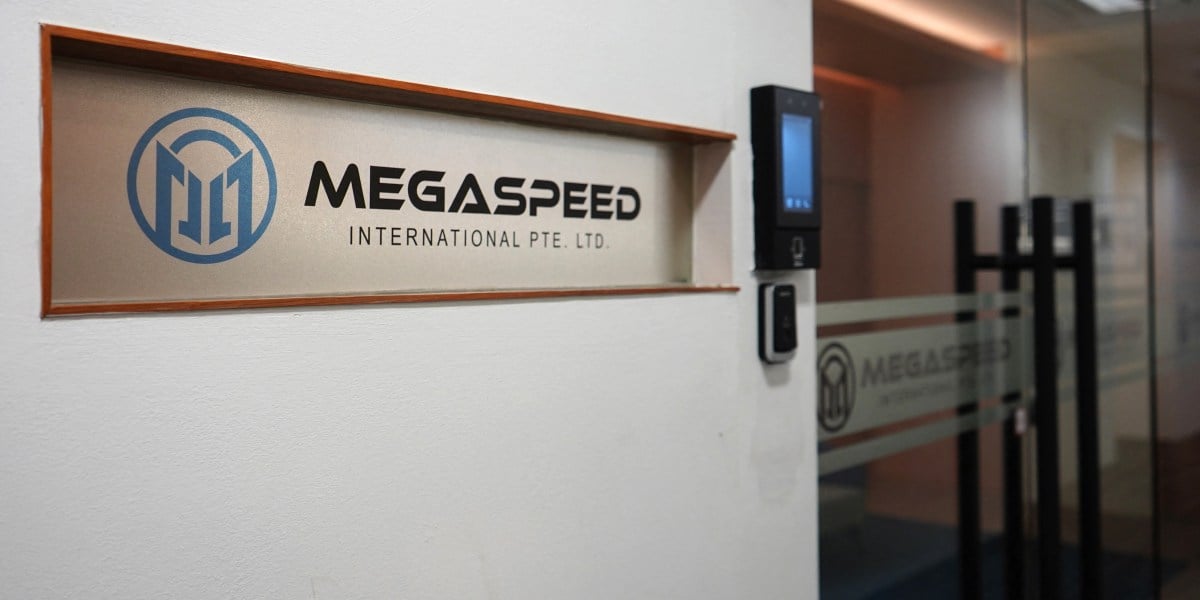
The case has drawn attention to Megaspeed, a Singapore-based company linked to Alice Huang. The Wall Street Journal reported that a 52-year-old Chinese national named Li Ming, who was arrested in Singapore and charged with smuggling Nvidia chips to China, was “deeply involved” with Megaspeed. Separately, CNBC reported that Li faces unrelated fraud charges in the United States over alleged false representations to Super Micro Computer.
Huang’s Senate testimony looms
Jensen Huang has agreed to testify before the Senate about what he knew regarding Alice Huang’s alleged relationship with Chinese intelligence. The appearance will be closely watched by lawmakers who have already raised concerns about whether US technology executives are doing enough to protect advanced semiconductors from ending up in Chinese hands.
The testimony could be consequential for Nvidia and for broader US-China technology policy. Congress has been debating stricter export controls and harsher penalties for companies whose chips are diverted, and Huang’s answers could influence the direction of new legislation.
Why Trump is weighing in
Trump’s endorsement of Huang’s return reflects both his view of Nvidia as a strategically important American company and his tendency to insert himself into high-profile corporate dramas. Nvidia has become one of the most valuable companies in the world on the back of demand for artificial intelligence chips, and its leadership is seen as a matter of national economic interest.
Reinstating Huang would not be simple. It would require board approval and would almost certainly face questions from regulators, investors and lawmakers about whether he can continue to lead a company that handles sensitive technology while entangled in a personal scandal with alleged intelligence implications.
Market and policy fallout
The leadership uncertainty has added volatility to a stock that had already been hit by the broader AI selloff. Nvidia shares have fallen sharply since Huang's resignation, and investors are weighing the risk that stricter export controls or a prolonged investigation could damage the company's growth prospects.
Washington's focus on chip smuggling is unlikely to fade. US officials have warned for years that Chinese entities are using front companies and third-country transshipment to evade restrictions on advanced semiconductors. The Nvidia case could become the most prominent example of those concerns if more charges or sanctions follow.
What comes next
Nvidia's board has not said how it will respond to Trump's comments or whether it is considering reinstating Huang. The company faces a delicate balance between defending a founder who built it into an AI powerhouse and demonstrating that it takes national security concerns seriously.
For now, the spotlight is on Huang's upcoming Senate testimony and on investigators' next moves. Whatever happens, the episode has already become a defining test of how the US manages the intersection of corporate leadership, national security and the global competition for advanced technology.