
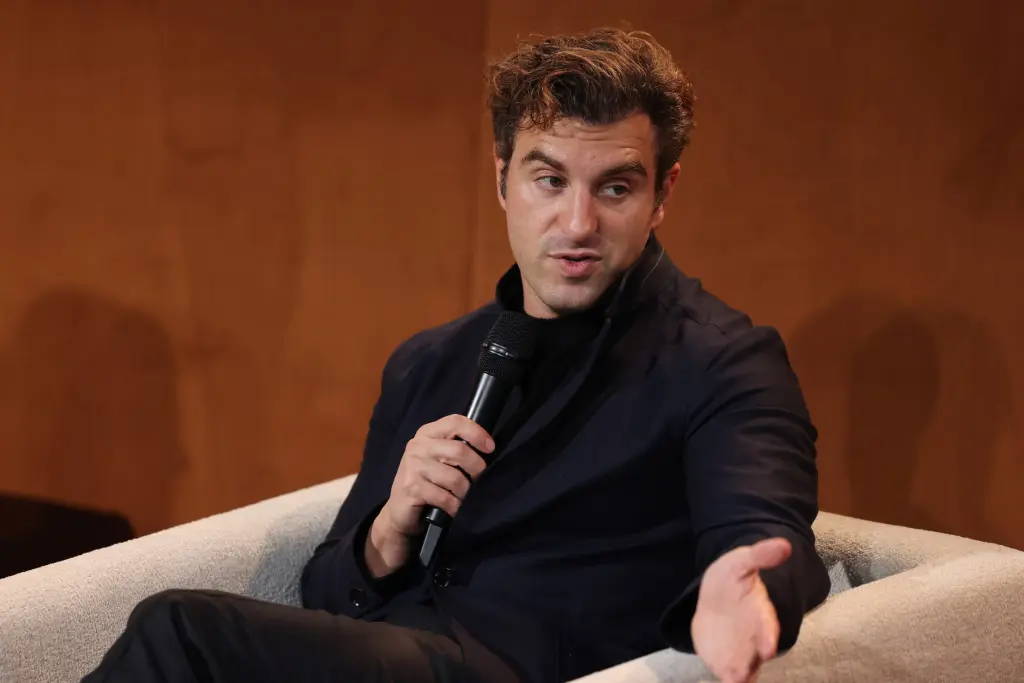

Airbnb CEO Brian Chesky has identified two categories of workers he believes will struggle to survive the shift toward AI-driven workplaces: pure people managers and employees who resist adapting to change.
“The two types of people who will not make the shift to AI are pure people managers, and people that are rigid and don’t want to change and evolve,” Chesky said on the Invest Like The Best podcast, framing both groups as particularly vulnerable regardless of seniority.
Chesky singled out traditional management roles for the sharpest warning, arguing that leaders at every level will increasingly need to become what he calls a “hybrid people manager” or “manager IC,” someone who manages people while also remaining a hands-on individual contributor.
He was blunt about why the old model no longer works, saying managers "can't just be these managers where you're people's therapists, and you're just doing meetings, you're doing one-on-ones," suggesting that role has become too narrow to justify on its own.
The comments position Chesky among a growing group of tech executives publicly redefining what makes a role defensible in an AI-augmented workplace, shifting the emphasis from coordinating people toward demonstrating direct, hands-on contribution.
For workers and managers alike, Chesky's framing suggests the safest position isn't avoiding AI tools altogether, but actively integrating them into daily work while remaining willing to adapt how a role is actually performed.