

A balanced look at the prospects and questions surrounding a new Danube industrial park
The headline figures are straightforward: a 37.8-hectare former industrial site and a municipality seeking to attract international manufacturers. The more difficult questions remain unanswered: Which companies will commit to the project? When will the infrastructure be fully operational? And how will the park connect with regional supply chains?
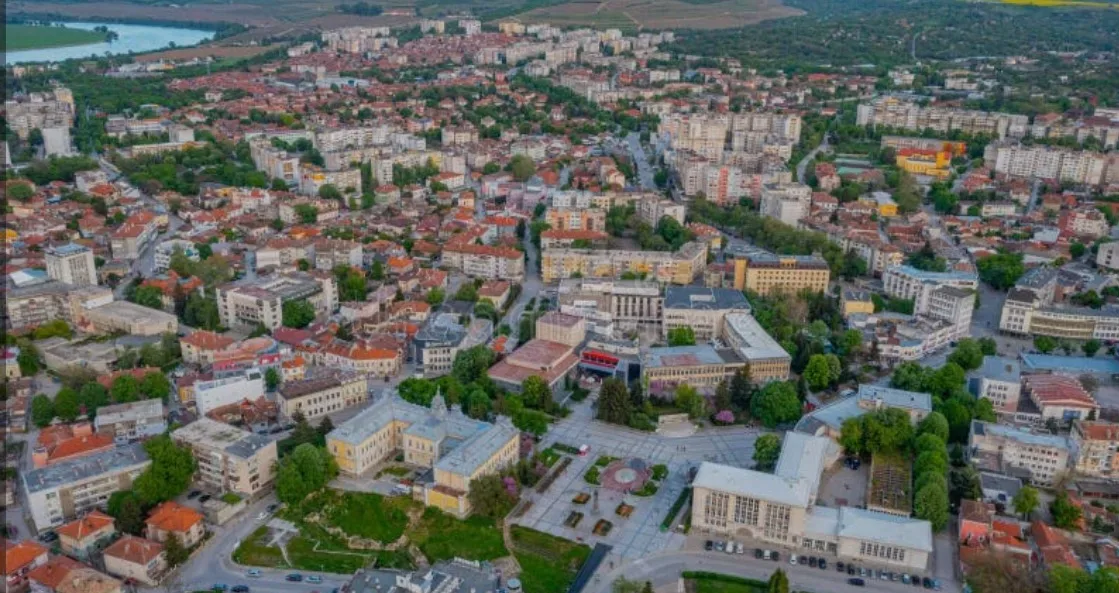
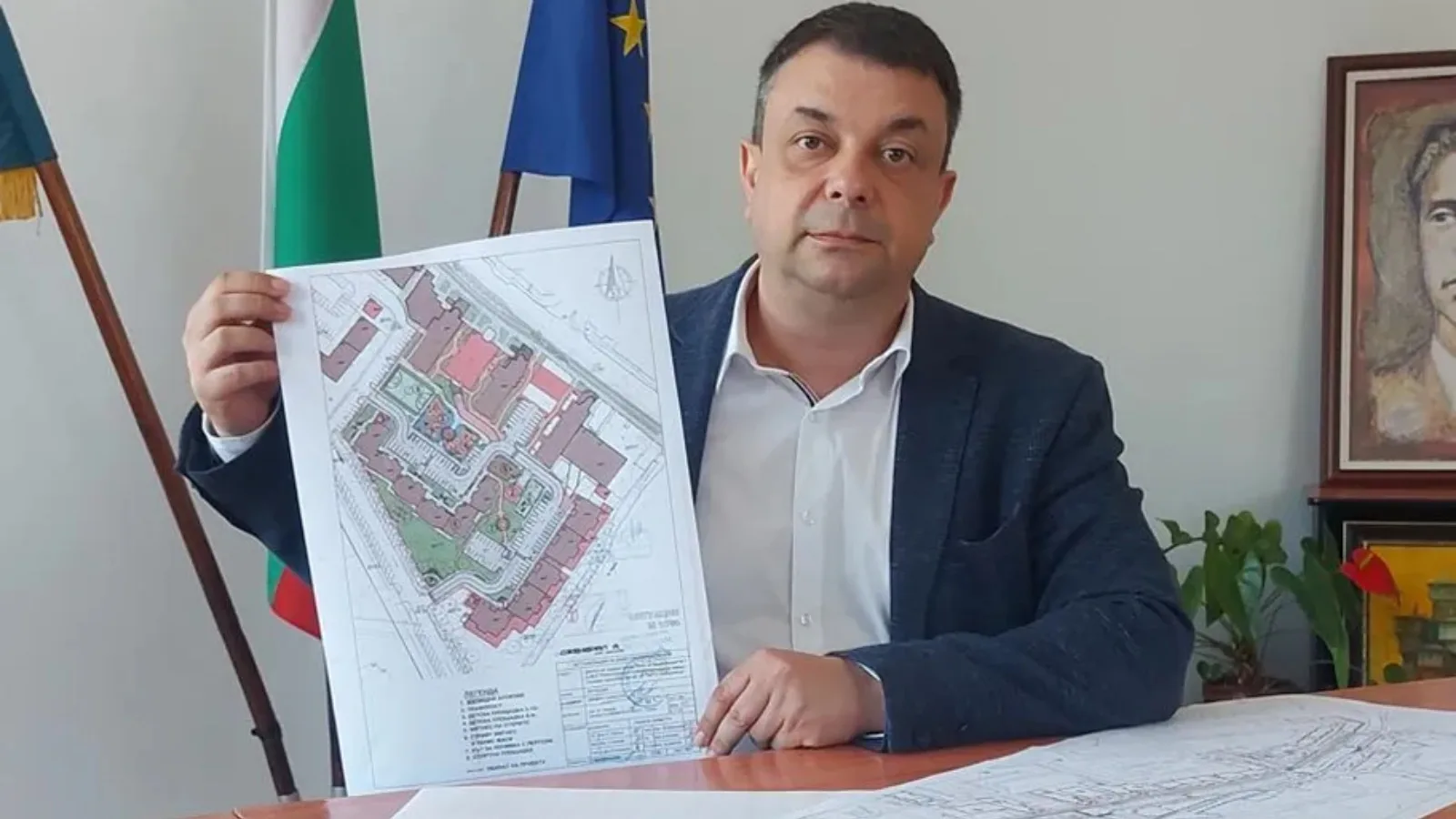
Mayor Aleksandar Sabanov’s Smart Industrial Park concept combines production and logistics with administrative, retail and social functions. Silistra identifies engineering, electronics, electrical components, clean technologies and logistics as target sectors. Bulgaria’s EU membership and tax environment add context to the pitch.

A responsible assessment distinguishes municipal plans from signed contracts and completed facilities. The project is best understood as a serious statement of direction. Its success will be judged by delivered infrastructure, investment decisions and durable local employment.
The coming years will reveal whether the ambitions outlined by local officials translate into sustained economic activity. For now, the initiative illustrates how regional authorities are seeking to attract new partners and investment.
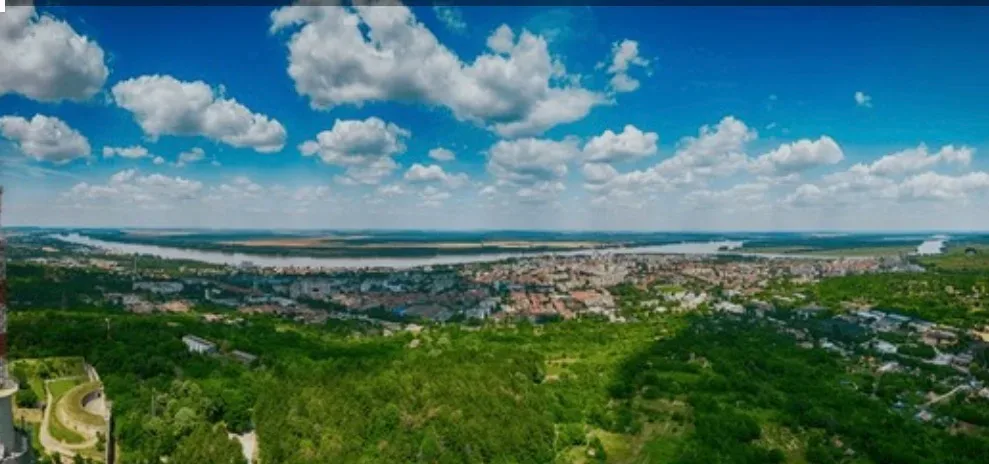
The wider European context matters. Regional cities increasingly compete on institutional reliability, workforce availability and the ease of connecting suppliers with customers. A compelling story can attract attention, but investment decisions ultimately depend on measurable operating conditions.

The project’s next stages will shape how it is ultimately judged. Clear milestones and independently verifiable results will matter far more than the scale of a launch event. For now, the initiative merits attention precisely because its long-term impact is still to be demonstrated.