

The artificial intelligence boom has produced a new class of billionaires in Canada. The three co-founders of Cohere, a Toronto-based AI lab, have each seen their stakes in the company reach an estimated $1 billion after a funding round valued the business at $25.5 billion, according to the Bloomberg Billionaires Index.
Enterprise AI over superintelligence
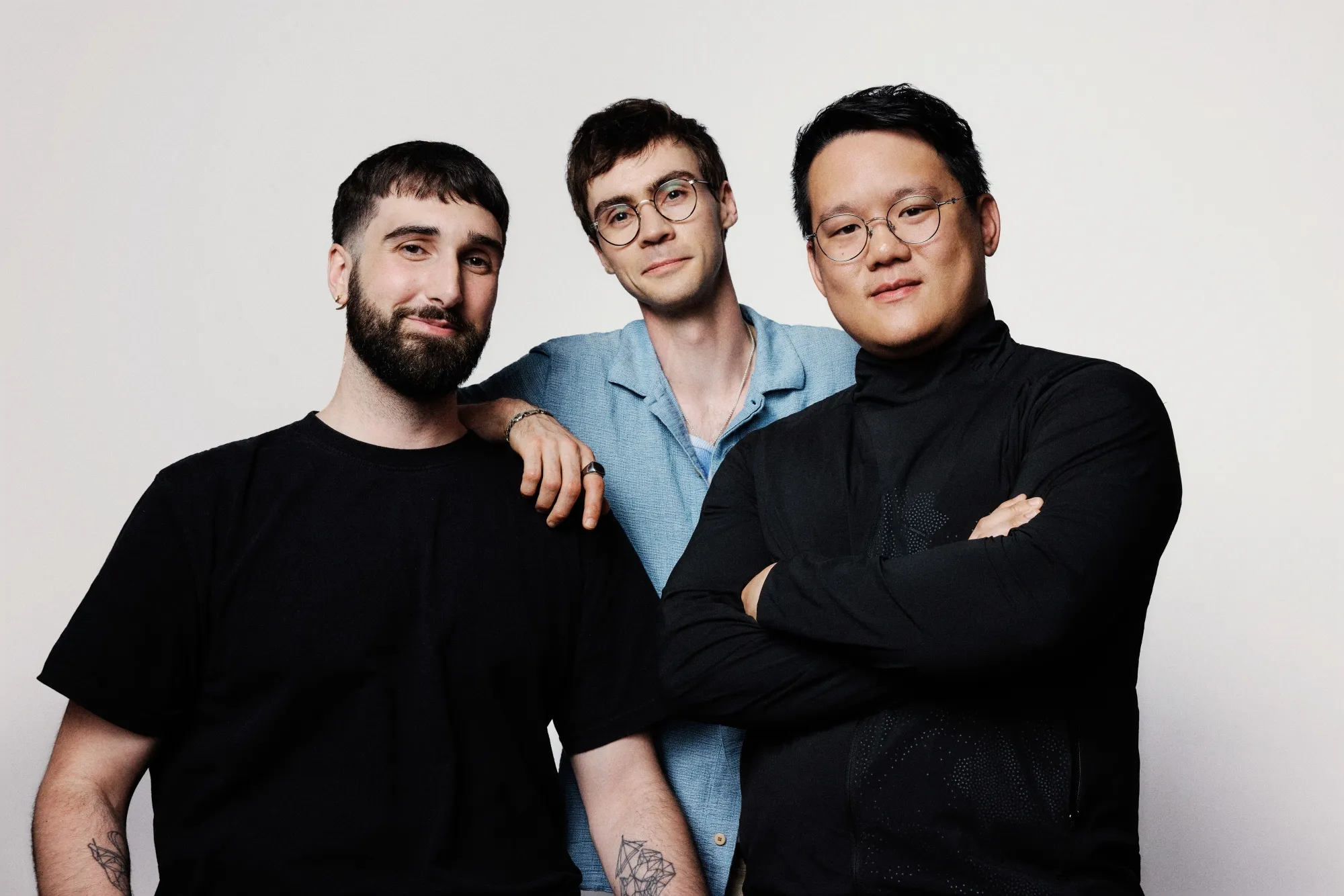
Aidan Gomez, Nick Frosst, and Ivan Zhang built Cohere around large language models for businesses rather than the pursuit of artificial general intelligence. While much of the industry has focused on building ever-more-powerful systems that could eventually surpass human reasoning, Cohere has concentrated on selling secure, customizable AI tools to enterprises.
That strategic choice now appears to be paying off financially. The company’s latest valuation places its founders among the wealthiest technology entrepreneurs in Canada and reflects strong investor appetite for AI companies with clear commercial applications. It also signals that founders do not need to chase the most ambitious research goals to build a valuable business.
Questioning the superintelligence race
At the same time, the trio has started to question the broader industry race toward superintelligence. The push to develop systems that outperform humans across most tasks has drawn enormous capital and talent, but it has also raised concerns about safety, competition, and whether such systems will deliver meaningful returns anytime soon.
Cohere’s position reflects a growing divide in the AI sector. On one side are labs such as OpenAI and Anthropic, which are openly pursuing artificial general intelligence and have framed it as an urgent technological milestone. On the other are companies that believe the near-term opportunity lies in making existing AI more useful, reliable, and profitable for corporate customers.
A broader debate in the industry
The Canadian founders are not alone in their skepticism. Some researchers and investors have warned that the superintelligence narrative risks diverting resources from practical problems that businesses and governments are already trying to solve. They argue that safer, more focused systems could deliver more value than speculative leaps toward human-level machines.
For Canada, the rise of Cohere's billionaire founders is a milestone. Toronto has become one of the world's leading AI research hubs, helped by institutions such as the Vector Institute and the University of Toronto. Cohere's success adds weight to the argument that the city can produce globally competitive AI companies without simply following Silicon Valley's playbook.
What comes next
Whether Cohere can maintain its momentum will depend on how well it converts its technology into lasting enterprise revenue. But for now, its founders have shown that there is more than one path to building an AI giant, and that questioning the industry's most ambitious target does not mean missing out on its rewards.